
Published: July 14, 2026
Last updated: July 14, 2026
The Hidden Cost Of Subcontracting Layers In Outsourced Software
The pitch meeting goes well. A senior architect asks sharp questions, sketches a sensible plan, and quotes a reasonable price. Three months later the code arrives and it does not match the plan. What happened in between is usually one word: subcontracting.
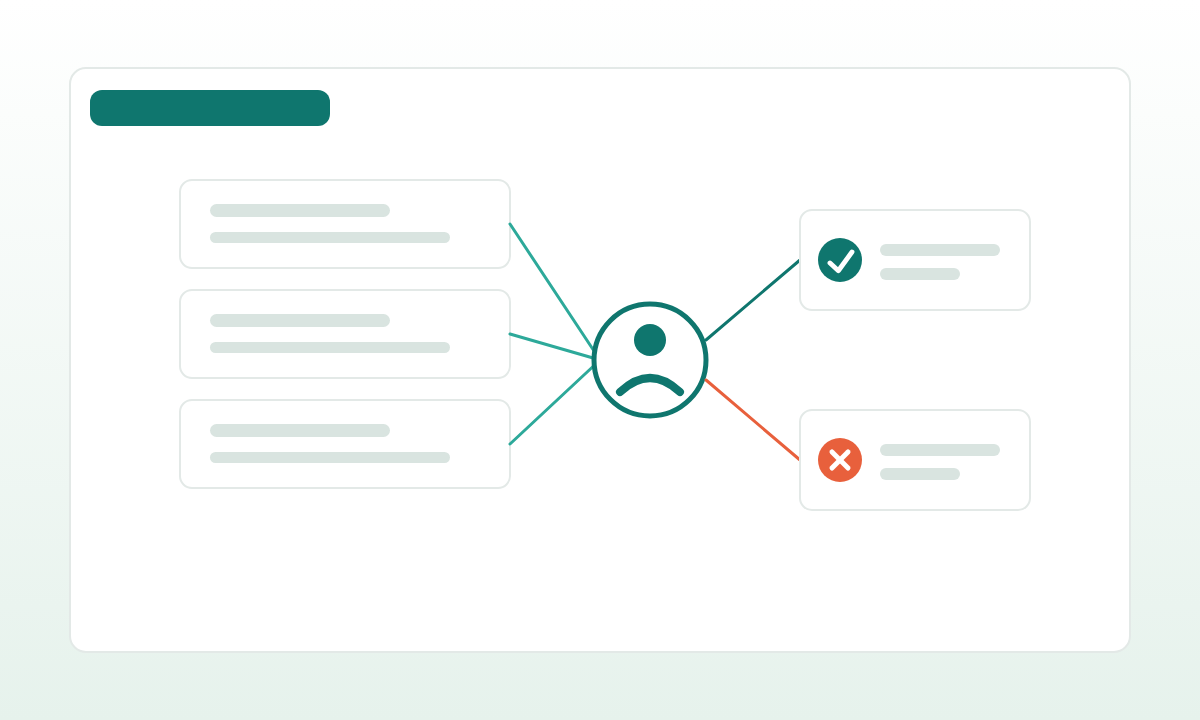
Many agencies sell with their best people and deliver with whoever is available, sometimes through a second or third company you never meet. Each layer between the person who scoped your project and the person who writes the code has a cost. Most of those costs are invisible until late.
What Each Layer Costs You
Intent. A specification is a compressed version of a conversation. Every handoff decompresses it with losses. The person writing the code did not hear your constraints, your edge cases, or your tone of voice. Gaps get filled with guesses, and guesses become rework.
Accountability. When the delivery is wrong, who fixes it? The agency blames the subcontractor, the subcontractor blames the spec, and your timeline absorbs the dispute. Code no one can account for is code no one will confidently change.
Confidentiality. Your NDA binds the company you signed with. It usually does not reach the subcontractor's subcontractor. You have no practical way to verify who actually saw your data, your credentials, or your roadmap.
Quality feedback. The senior who impressed you in the sales call reviews nothing, or reviews too late. By the time problems surface in a demo, the cheap hours have already been spent and the expensive hours (untangling them) are just beginning.
How To Detect The Layers Before You Sign
Ask these questions in writing and keep the answers with the contract:
- Who exactly writes the code? Names, not team sizes. If the answer is "our delivery team", ask to meet the specific engineers.
- Is any part of this work performed by another company or by freelancers? A clean "no subcontracting" clause in the statement of work is cheap for an honest vendor and expensive for the other kind.
- Who reviews the code, and how often will I see it running? Weekly demos of working software are hard to fake through three layers.
- Where does the code live? Your repository from day one means you can see who commits, when, and what quality looks like as it happens, not at the end.
- What happens if the assigned engineer is unavailable? A named backup and documented handover beat a bench of anonymous replacements.
The Alternative Model
The failure pattern is not outsourcing itself. It is the distance between scoping and building. When the person who defines the scope also implements it, intent survives, accountability has a name, and your NDA covers everyone who touches the work.
That is the model Urbano DX runs: the engineer who scopes it builds it, with no subcontracting, weekly demos you sign off on, and the code in your repository from the first commit. It is not the right model for every project, but for scoped builds measured in weeks, it removes the layer tax entirely.
If you are comparing proposals right now, add one column to your spreadsheet: "who actually writes the code". It predicts more of the outcome than the price does.